
What historical figure are you most like?
Every one of the 12 results is a real person with a real turning point: the gambler who crossed the Rubicon, the queen who outlasted every plot against her, the pirate who kept fighting when her crew hid below deck. The quiz looks at how you handle pressure, rivals, risk and loyalty, and matches you to the figure whose choices look most like yours.
Historical figures by personality type
| Type | Figure | Known for | Greatest strength |
|---|---|---|---|
| The Gambler | Julius Caesar | Crossing the Rubicon | Decisive under pressure |
| The Charmer | Cleopatra | Allying with Caesar, then Mark Antony | Reads people instantly |
| The Conqueror | Alexander the Great | An empire from Greece to India | Leads from the front |
| The Builder | Hatshepsut | Ruling as pharaoh; the voyage to Punt | Turns patience into power |
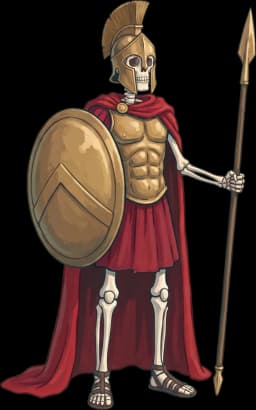
| The Guardian | Leonidas | The last stand at Thermopylae | Unshakeable loyalty |
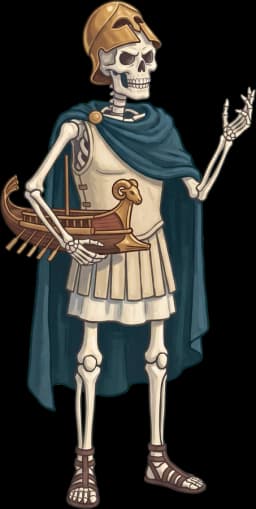
| The Trickster | Themistocles | Victory at Salamis | Sees three moves ahead |
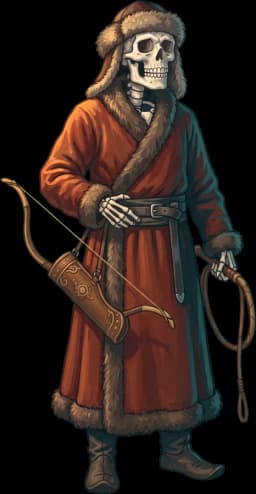
| The Self-Made | Genghis Khan | Founding the Mongol Empire | Relentless |
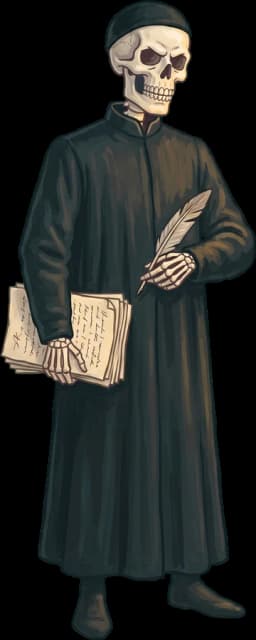
| The Realist | Niccolò Machiavelli | Writing The Prince | Brutally honest |
| The Survivor | Elizabeth I | Outlasting Mary and Spain | Patient |
| The Rebel | Anne Bonny | Piracy with Calico Jack and Mary Read | Fearless |
| The Defiant | Winston Churchill | Leading Britain through World War II | Unbreakable resolve |
| The Honourable | Saladin | Retaking Jerusalem in 1187 | Principled |
All 12 results, and what they say about you
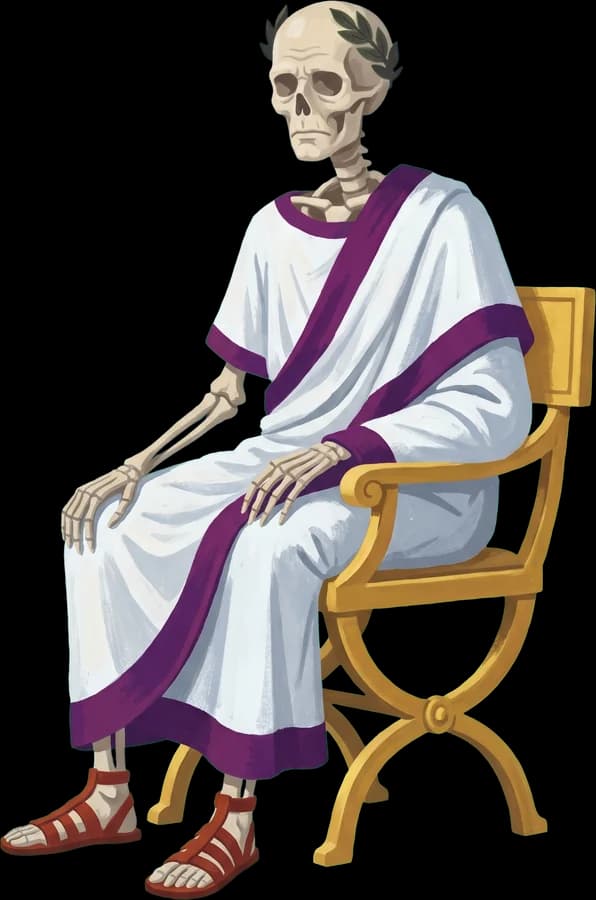
The Gambler
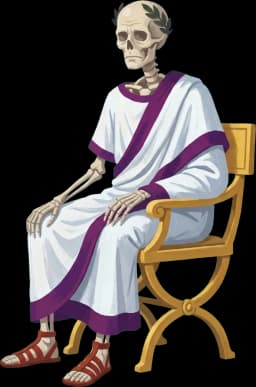
Julius Caesar
Roman general and dictator · 100 to 44 BCE
You bet everything on yourself, and you usually win.
Caesar crossed the Rubicon knowing it meant civil war, and won it. He was famous for his speed, his charm and his habit of pardoning enemies, some of whom later killed him. You're the same: decisive, magnetic and happiest when the stakes are highest.
- Decisive under pressure
- Charming in any room
- Generous to rivals
Fatal flaw. You assume the people you forgave are grateful. Watch the Ides.
Gets along with Cleopatra. Clashes with Alexander the Great. Play their story in Augur: “The Rubicon”.
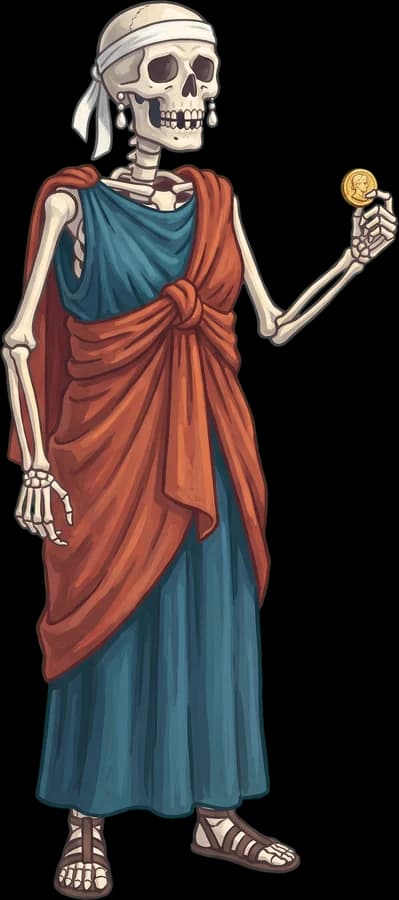
The Charmer
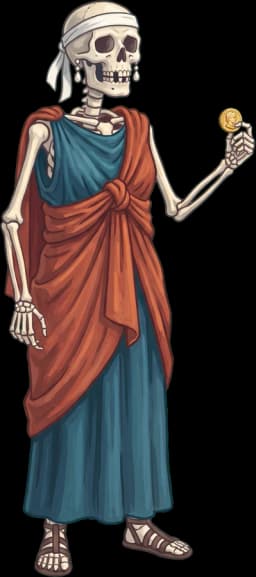
Cleopatra
Queen of Egypt · 69 to 30 BCE
You win the room, then you win the war.
Cleopatra spoke many languages and was said to be the first of her dynasty to learn Egyptian. Driven out by her brother, she had herself smuggled in to meet Caesar and came out of it queen again. You read people fast, know what they want, and make them want to help you.
- Reads people instantly
- Talks your way into anything
- Plays the long game
Fatal flaw. You bet on people as much as plans, and people can lose.
Gets along with Julius Caesar. Clashes with Elizabeth I. Play their story in Augur: “Cleopatra and Caesar”.
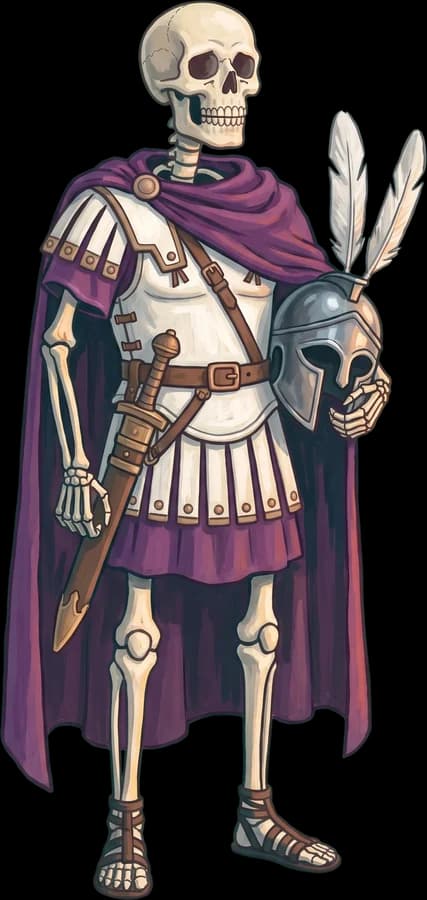
The Conqueror
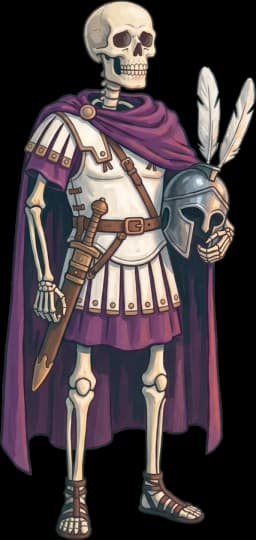
Alexander the Great
King of Macedon · 356 to 323 BCE
Whatever you've done, it isn't enough yet.
Alexander became king at twenty and in about a decade built an empire from Greece to India, leading the charge himself. At the Hyphasis River his own army finally refused to go further. You're restless, brave and hungry for the next horizon, and people follow you because you go first.
- Leads from the front
- Never runs out of drive
- Thinks impossibly big
Fatal flaw. You never know when to stop. Eventually, someone has to tell you.
Gets along with Genghis Khan. Clashes with Julius Caesar. Play their story in Augur: “The Hyphasis”.
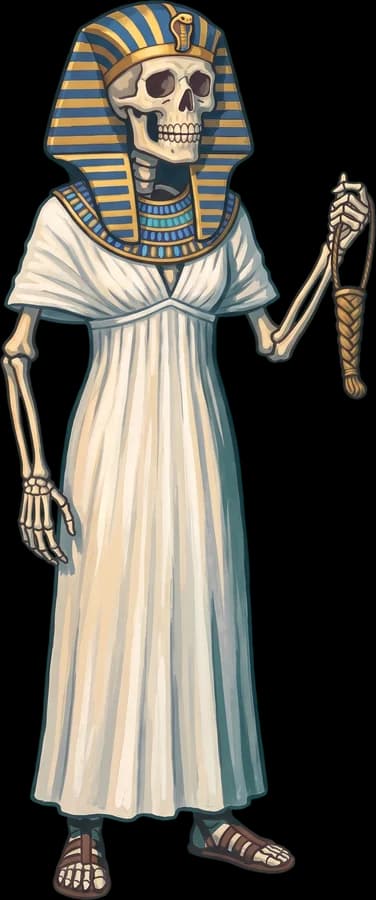
The Builder
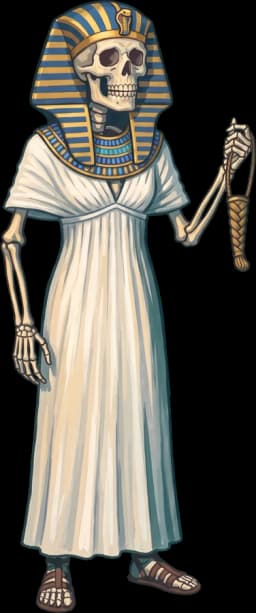
Hatshepsut
Pharaoh of Egypt · Ruled about 1479 to 1458 BCE
You don't grab power. You make yourself the obvious choice.
Hatshepsut began as regent for a boy king and ended up crowned pharaoh herself. Her reign is remembered less for war than for a famous trading voyage to the land of Punt and her great temple at Deir el-Bahari. You play the long game, build things that last, and let the results do the talking.
- Turns patience into power
- Builds things that last
- Steady when others panic
Fatal flaw. Not everyone wants your legacy to last. After her death, many of her images were destroyed.
Gets along with Elizabeth I. Clashes with Anne Bonny. Play their story in Augur: “Hatshepsut”.
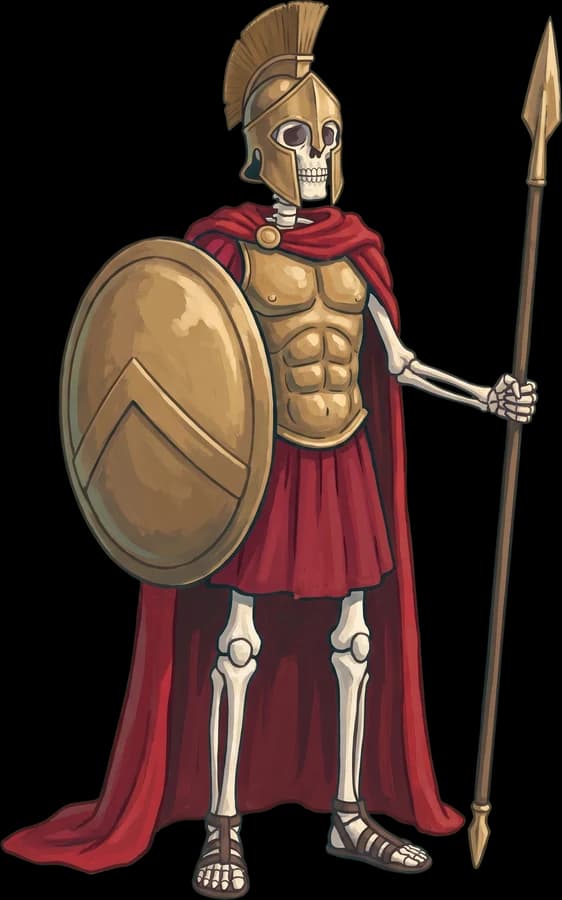
The Guardian
Leonidas
King of Sparta · Died 480 BCE
When it matters, you hold the line.
Leonidas led a small Greek force to block the pass at Thermopylae against the vast Persian army. When he learned they had been outflanked, he sent most of the allies away and stayed to fight to the end with his Spartans and the few who refused to leave. You're loyal, steady and brave, the person everyone wants beside them when things go wrong.
- Unshakeable loyalty
- Calm under pressure
- Leads by example
Fatal flaw. You'd rather go down fighting than retreat, even when retreat is the smart move.
Gets along with Saladin. Clashes with Themistocles. Play their story in Augur: “Thermopylae”.
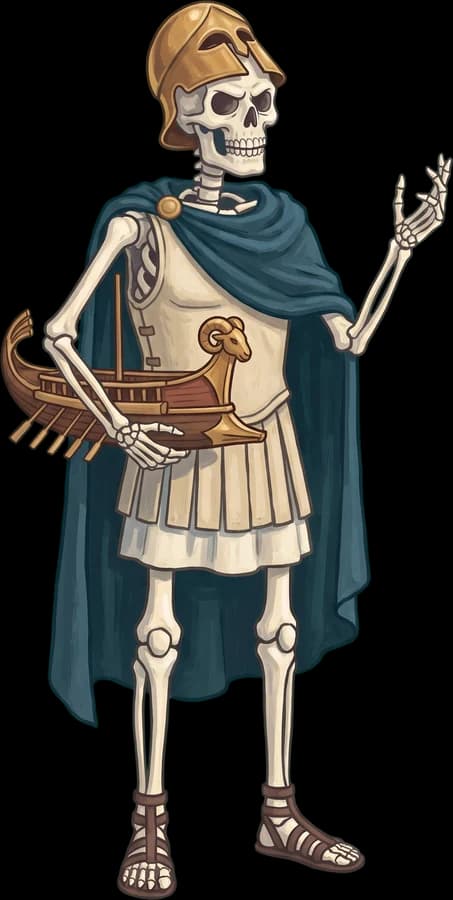
The Trickster
Themistocles
Athenian general · About 524 to 459 BCE
You win before the fight even starts.
Themistocles talked Athens into spending a windfall of silver on warships years before Persia invaded. Then, at Salamis, he sent a secret message that tricked the Persian king into attacking in narrow straits where his huge fleet couldn't move. You see three moves ahead, and you're not above a little misdirection.
- Sees three moves ahead
- Turns weakness into an edge
- Persuasive
Fatal flaw. Too clever for your own good. Athens later exiled him, and he ended his days serving the Persian king.
Gets along with Niccolò Machiavelli. Clashes with Leonidas. Play their story in Augur: “Salamis”.
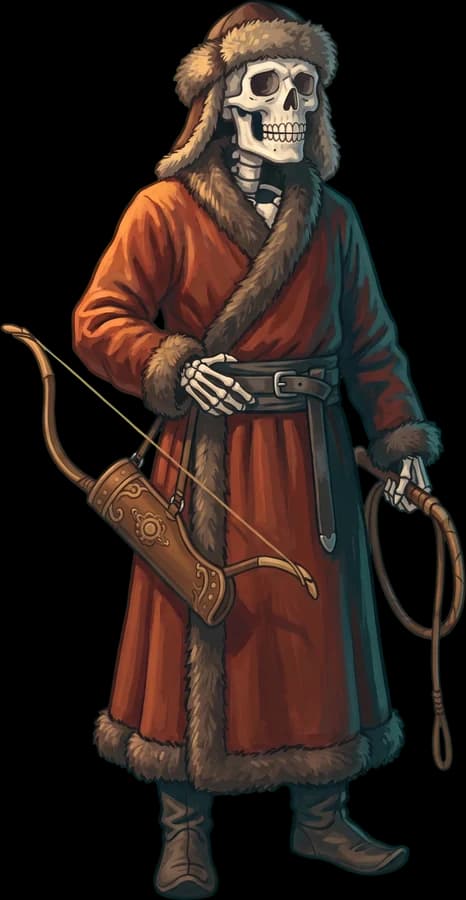
The Self-Made
Genghis Khan
Founder of the Mongol Empire · About 1162 to 1227
You started with nothing. That's why nothing stops you.
As a boy, Temujin and his family were abandoned on the steppe. He survived hunger and capture, built loyalty one ally at a time, promoted people for talent instead of birth, and as Genghis Khan founded what became the largest contiguous land empire in history. You're relentless, and you never stop learning.
- Relentless
- Rewards loyalty and talent
- Learns fast from defeat
Fatal flaw. You never forget a betrayal, and your revenge can be out of all proportion.
Gets along with Alexander the Great. Clashes with Saladin. Play their story in Augur: “Genghis Khan”.
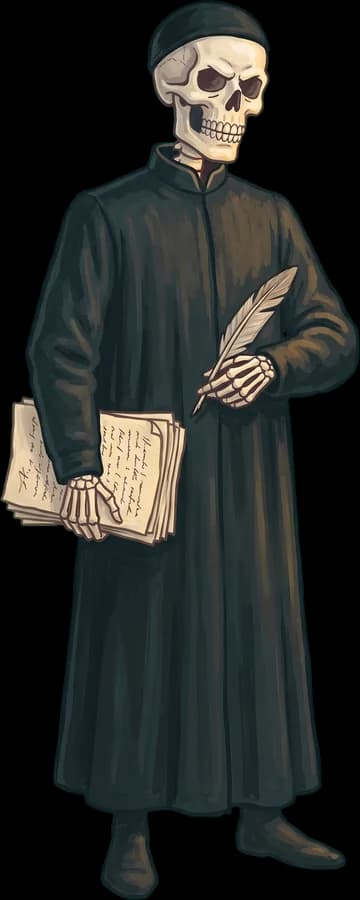
The Realist
Niccolò Machiavelli
Florentine diplomat and writer · 1469 to 1527
You see how things really work, not how they're supposed to.
Machiavelli spent fourteen years as a Florentine diplomat, watching kings and popes up close. When the Medici returned he was jailed and tortured, then retired to his farm outside the city, where he wrote The Prince, the most famous book ever written about power. You're sharp, honest about people, and you notice everything.
- Brutally honest
- Notices everything
- Turns setbacks into your best work
Fatal flaw. You say the quiet part out loud, and powerful people don't always thank you for it.
Gets along with Themistocles. Clashes with Winston Churchill. Play their story in Augur: “Machiavelli's Fall”.
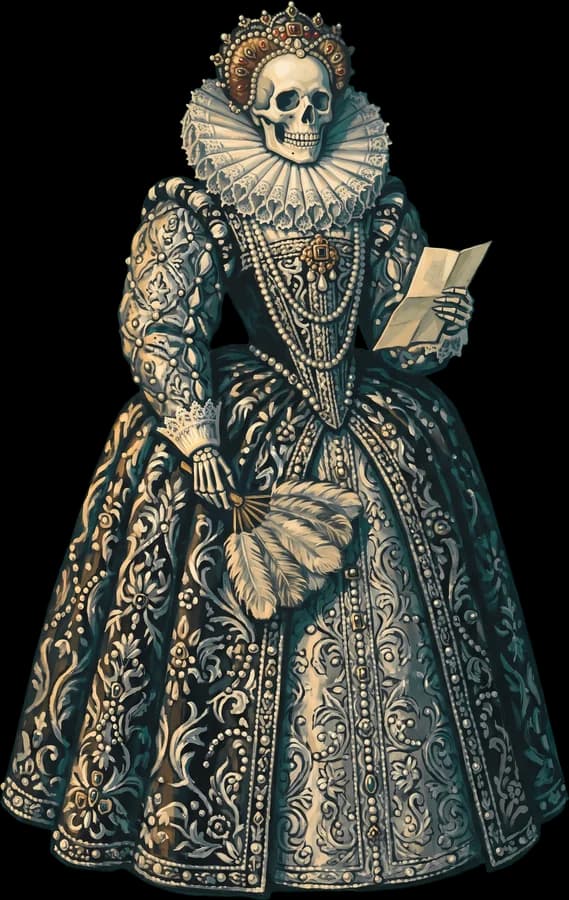
The Survivor
Elizabeth I
Queen of England · 1533 to 1603
You keep your cards close and outlast everyone.
Elizabeth's mother was executed when she was two, and her own sister had her locked in the Tower. As queen she kept her options open for decades, never married, held off Spain, and agonised for years before signing her cousin Mary's death warrant. You're careful, clever and very hard to corner.
- Patient
- Impossible to read
- Thrives when underestimated
Fatal flaw. You can wait so long that other people decide for you.
Gets along with Hatshepsut. Clashes with Cleopatra. Play their story in Augur: “Mary, Queen of Scots”.
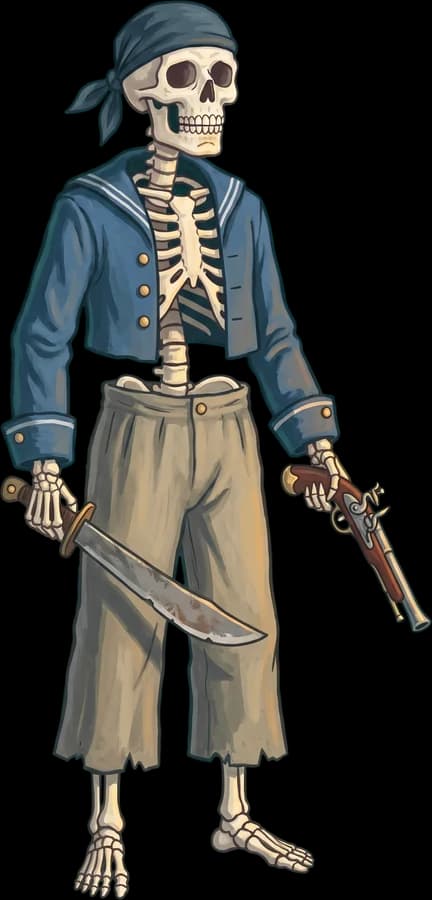
The Rebel
Anne Bonny
Caribbean pirate · Pirate, about 1718 to 1720
Rules are for other people.
Anne Bonny left her husband for the pirate Calico Jack Rackham and sailed the Caribbean alongside Mary Read. When their sloop was finally taken in 1720, the two women were said to be the last ones fighting while the men hid below deck. You're fearless, loyal to your crew and allergic to being told what to do.
- Fearless
- Loyal to your crew
- Does what others only talk about
Fatal flaw. Your crew isn't always as brave as you are.
Gets along with Genghis Khan. Clashes with Hatshepsut. Play their story in Augur: “Bonny and Read”.
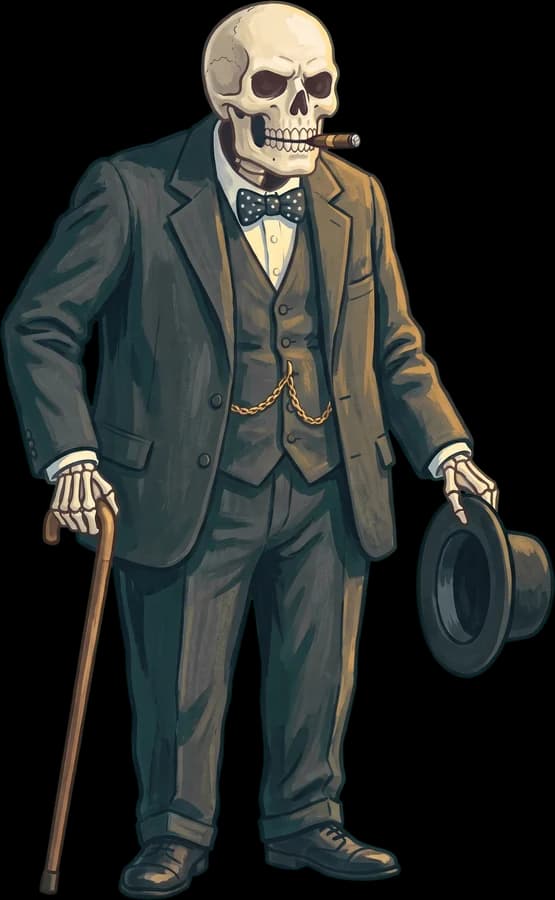
The Defiant
Winston Churchill
British prime minister · 1874 to 1965
The worse it gets, the louder you get.
Churchill became prime minister in May 1940 as France was collapsing. With the army trapped at Dunkirk and voices in his own cabinet open to peace talks, he refused to negotiate, and his speeches kept Britain fighting. You're stubborn, funny, and at your best when everyone else is ready to give up.
- Unbreakable resolve
- Words that move people
- At your best in a crisis
Fatal flaw. The stubbornness that wins wars also gets some things badly wrong.
Gets along with Leonidas. Clashes with Niccolò Machiavelli. Play their story in Augur: “Dunkirk”.
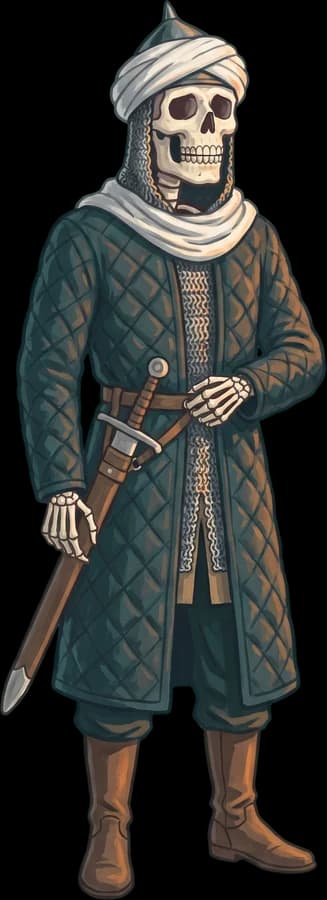
The Honourable
Saladin
Sultan of Egypt and Syria · About 1137 to 1193
Even your enemies respect you.
Saladin united Egypt and Syria, defeated the crusaders at Hattin and took Jerusalem in 1187. He survived two attempts on his life by the Assassins, and the crusaders who fought him wrote about his generosity. You're principled, gracious and tough, the rare person who wins without losing their decency.
- Principled
- Generous, even to rivals
- Unites people who don't get along
Fatal flaw. You give so much away there's little left for you. He died with almost nothing in his treasury.
Gets along with Leonidas. Clashes with Genghis Khan. Play their story in Augur: “The Dagger by the Bed”.
The questions
There are no right answers, only honest ones. Here is what the quiz asks:
- A crisis hits and everyone turns to you. What do you do?
- Pick a superpower.
- Your friends would describe you as...
- Someone stabs you in the back. You...
- Pick your ideal weekend.
- In a group project, you're the one who...
- What scares you most?
- Pick a motto.
Each answer leans toward a few figures. Your result is the one you match most closely, and your top three are shown as a percentage of how closely you fit each one. Every figure is about equally likely to come up, so no result is a default.
Prefer questions with right answers? Try the history quiz, or browse every history trivia question and answer.
Questions
How does the historical figure quiz work?
Answer 8 quick questions about how you handle crises, rivals and risk. Each answer leans toward a few figures, and the one you match most closely is your result, along with your top three matches.
Who can I get?
There are 12 possible results: Julius Caesar, Cleopatra, Alexander the Great, Hatshepsut, Leonidas, Themistocles, Genghis Khan, Niccolò Machiavelli, Elizabeth I, Anne Bonny, Winston Churchill, Saladin.
What historical figure am I most like?
Take the quiz above to find out. It matches you with the figure whose choices under pressure look most like yours, and shows how closely you match your top three.
Which historical figure is most like a leader?
Several results are leaders in very different ways: Caesar leads by taking risks, Leonidas by example, Churchill by refusing to give in, Hatshepsut by patience, and Genghis Khan by rewarding talent and loyalty.
Can I get a different result if I take it again?
Only if you answer differently. The quiz has no random element, so the same answers always give the same figure.
Is it free?
Yes. No signup and no email. Take it as many times as you like and share your result with friends.
Are the facts about each figure real?
Yes. Each result describes the real person and the moment they're best known for, and every one of them has a researched, fact-checked story you can play in Augur.